Love the idea of San Clemente’s beach life but not sure if a condo or a townhome fits you best? You are not alone. Many buyers here weigh HOA fees against space, parking, and beach access before making a move. This guide breaks down the legal, financial, and lifestyle differences so you can choose with confidence. Let’s dive in.
Quick definitions in California
What is a condo?
A condominium is a form of ownership. You usually own the interior of your unit and share ownership of common areas. In California, condos are governed by the Davis‑Stirling Common Interest Development Act, with the HOA managing common elements and setting rules. Exterior maintenance is often handled by the HOA, but the exact split is defined in the CC&Rs.
What is a townhome?
A townhome describes a building style, not one specific legal form. A townhome might be sold as a condo, as part of a Planned Unit Development (PUD), or as fee‑simple ownership. Your maintenance and HOA responsibilities depend on what the recorded CC&Rs say. Always verify the legal form before you decide what costs and duties you will have.
Ownership and HOA differences
Your day‑to‑day experience will be shaped by the HOA and the development’s governing documents. Read the CC&Rs, bylaws, and rules to understand maintenance obligations, rental policies, pet rules, and parking. The Davis‑Stirling Act sets statewide requirements for HOAs, meetings, budgets, and disclosures, but each community’s rules are unique.
For condos, the HOA often maintains exterior walls, the roof, and shared systems. For townhomes sold as PUD or fee‑simple, you might be responsible for your exterior, roof, and yard. Before you write an offer, request the HOA’s budget, reserve study, master insurance certificate, recent meeting minutes, claims history, and any pending litigation disclosures.
Maintenance and insurance
Who fixes what?
- Condos: Owners typically handle interior finishes and systems inside the unit. The HOA usually covers the building shell, roof, exterior painting, landscaping, and common utilities. The division can vary by community.
- Townhomes: If sold as PUD or fee‑simple, you may handle exterior repairs and roofing. The HOA often maintains shared streets, gates, parks, or limited exterior items. Always confirm the maintenance map in the CC&Rs.
What insurance do you need?
- Condos: The HOA typically carries a master policy. You will likely need an HO‑6 policy to cover interior finishes, personal property, and loss assessment. Ask whether the master policy is walls‑out or walls‑in and what the deductible is.
- Townhomes: If you own the exterior and land, you may need an HO‑3 dwelling policy similar to a single‑family home. Confirm HOA coverage so you do not duplicate or miss key protections.
San Clemente risks to factor in
Coastal proximity can increase exposure to salt corrosion, wind, and long‑term erosion. Some properties may lie in FEMA flood zones or near coastal bluffs. Earthquake risk is present across Southern California, and some older buildings may not have modern seismic retrofits. Insurance availability and cost for flood, wind, and earthquake can vary, so review premiums and any HOA coverage for common areas.
In certain master‑planned areas such as Talega, you may see special financing district taxes (often called Mello‑Roos). These add to annual carrying costs and should be reviewed on the county tax bill and in seller disclosures.
Lifestyle tradeoffs in San Clemente
Beach access and walkability
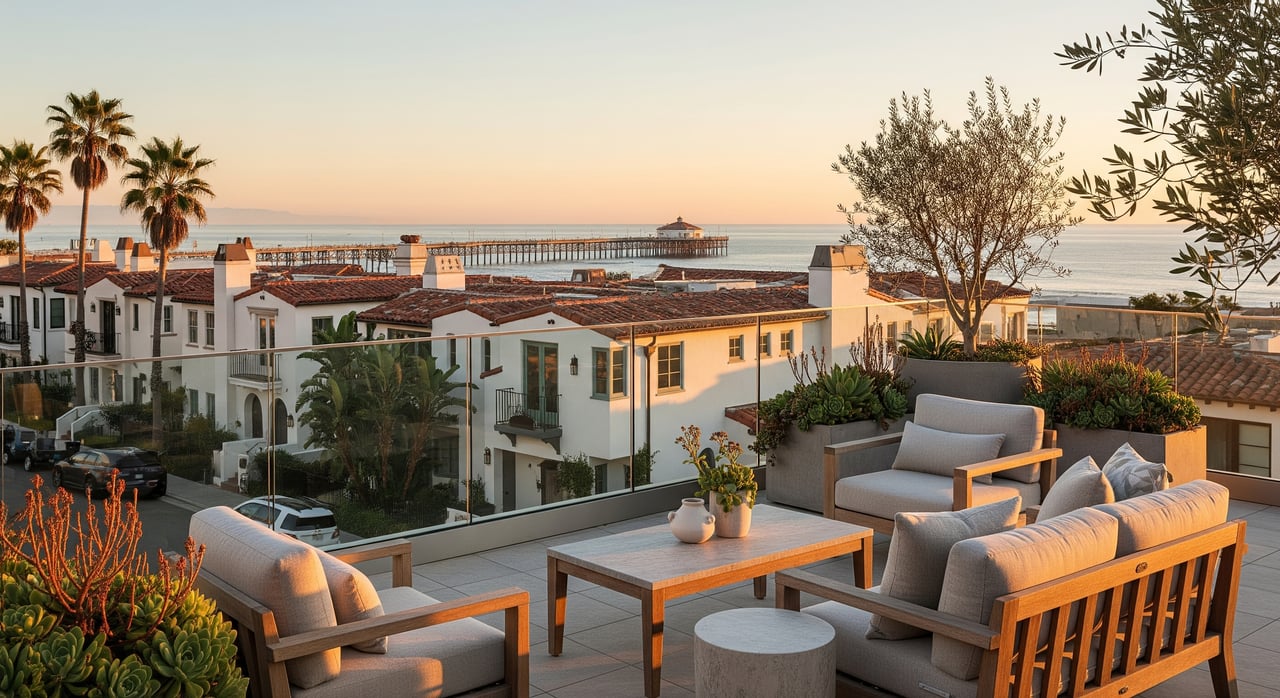
Downtown and Pier‑area condos near Avenida Del Mar often deliver quick beach access, walkability to restaurants, and a classic surf‑town vibe. Interiors can be smaller, and you may experience more visitor activity. North Beach and Pier‑adjacent areas offer a similar lifestyle with limited private outdoor space in many buildings.
Space, storage, and parking
Townhomes inland in Talega or Forster Ranch typically offer more interior space, attached garages, and private driveways. That means easier parking and more storage. In contrast, condos commonly have assigned garage or lot spaces and limited guest parking, especially near downtown where street parking can be restricted or metered.
Noise and tourism
Pier‑area buildings can see seasonal crowds, events, and night activity. Inland townhome neighborhoods tend to experience less visitor traffic. Consider the weekly rhythm of the area and whether you prefer being in the action or nearby with more separation.
Commute and transit
San Clemente sits along I‑5 and has Metrolink and Amtrak stations. Coastal condos may be within walking distance of the train, a benefit for some commuters to Irvine or Los Angeles. Inland townhome areas are more car‑oriented and may suit buyers who prioritize garage parking and easy freeway access.
Neighborhood snapshots
Downtown & Pier area
If your top priority is walking to the sand, dining, and the pier, condo buildings near Avenida Del Mar are strong candidates. Expect smaller footprints, shared amenities, and more attention on HOA rules, guest parking, and noise. Check rental policies if you plan to rent the unit at any point.
North Beach
Close to coastal recreation and transit, North Beach puts the ocean lifestyle close at hand. Many properties emphasize access over private yard space. Confirm parking and storage options early, since configurations vary widely by complex.
Talega
A master‑planned inland area with newer townhome communities and shared parks. You will often see attached garages, larger layouts, and more predictable parking. Some homes include special taxes such as Mello‑Roos, so factor that into your monthly budget.
Forster Ranch
This area offers a mix of townhomes and single‑family options with neighborhood parks. Buyers who value space and garage storage often look here. Expect a more car‑dependent setup compared to downtown.
Rancho San Clemente
Primarily residential with a variety of housing types. Many buyers choose it for its neighborhood feel and access to community amenities. Review HOA specifics for each community, since responsibilities and amenities differ.
Costs to compare beyond price
- HOA fees and coverage: Coastal condos with elevators, pools, or security can carry higher dues because the HOA maintains more systems. Townhome dues can be lower if the HOA covers only landscaping and streets, but they can be higher when roofing, exterior painting, or gated amenities are included.
- Special assessments and reserves: Ask for the reserve study, funding schedule, and any recent or planned special assessments. Strong reserves can reduce surprises.
- Insurance: Determine what the HOA insures and what falls to you. Consider flood, wind, and earthquake needs in coastal zones.
- Taxes: In areas with Mello‑Roos or special districts, confirm on the county tax bill and in disclosures. Add these to your monthly cost comparison.
- Financing and resale: Lenders review HOA finances, litigation, and occupancy mix. Complexes with low reserves or active litigation may limit loan options. Rental rules can influence resale appeal, especially near the beach.
- Short‑term rentals: Many coastal cities have rules on short‑term rentals, and HOAs often add their own restrictions. Verify city regulations and the HOA’s rental policies before you decide.
Which is right for you?
Choose a condo if you want:
- Maximum beach access and walkability near Avenida Del Mar or the Pier.
- Lower personal responsibility for exterior maintenance.
- A lock‑and‑leave lifestyle with shared amenities.
Choose a townhome if you want:
- More space, storage, and attached garage parking in areas like Talega or Forster Ranch.
- Greater control over exterior maintenance when structured as PUD or fee‑simple.
- A residential setting with less visitor activity than the pier area.
If you are split down the middle, compare the total monthly cost and the day‑to‑day lifestyle. Add HOA dues, special taxes, typical utilities, insurance, and any likely assessments. Then weigh that against walkability, parking, and commute time.
Buyer checklist for condos and townhomes
HOA and governance documents
- CC&Rs, bylaws, and rules and regulations.
- Latest financials and operating budget.
- Current reserve study and funding plan.
- Meeting minutes for the last 6 to 12 months.
- HOA master insurance certificate and claims history.
- Pending litigation disclosures and any violation notices.
- Estoppel or resale certificate through escrow to confirm assessments and balances.
Property disclosures and inspections
- Seller’s Transfer Disclosure Statement and Natural Hazard Disclosure.
- General home inspection plus targeted roof, plumbing, electrical, and termite inspections.
- For coastal properties, consider corrosion and moisture evaluations for metal components and potential salt intrusion.
- Verify whether the property lies in a FEMA flood zone, tsunami inundation area, or near a coastal bluff.
Insurance and financing
- Confirm HOA master policy type and deductible. Choose HO‑6 for condos or HO‑3 for townhomes when appropriate.
- Ask about loss assessment coverage for potential HOA special assessments.
- Have your lender review HOA documents early to prevent financing delays.
Neighborhood fit
- Distance to the beach and daily walkability.
- Resident and guest parking rules and availability.
- Pet policies and proximity to parks and schools.
- Rental restrictions for both long‑ and short‑term stays.
- Noise levels and event schedules near the pier and downtown.
- Commute time to Irvine, Santa Ana, or Los Angeles by car and train.
Get tailored guidance
Every condo and townhome community in San Clemente has its own rules, costs, and tradeoffs. A careful review of HOA documents, inspections, and neighborhood dynamics will help you feel confident on closing day. If you want a local, education‑first partner to walk you through the details, connect with Nick Cardenas for a friendly, no‑pressure consultation.
FAQs
Will my HOA fix the roof in San Clemente?
- It depends on the legal structure and CC&Rs. Condos often include roof coverage in the HOA, while many PUD or fee‑simple townhomes make owners responsible for exteriors.
How do condo and townhome insurance policies work?
- Condos typically need an HO‑6 policy to cover interior finishes and personal property, while many townhomes require an HO‑3 dwelling policy if you own the exterior and land.
Are condos near the pier more expensive per square foot?
- Coastal proximity often commands a premium, though it varies by unit size, amenities, and condition. Compare current listings and recent comps to confirm.
What are the rules on short‑term rentals in San Clemente?
- Both the city’s regulations and the HOA’s rules apply. Confirm municipal ordinances and the development’s rental policies before you buy.
How does parking differ between condos and townhomes?
- Condos often have assigned spaces and limited guest parking, especially downtown. Townhomes commonly include attached garages and driveways, which add storage and guest flexibility.
Are coastal properties at higher risk for assessments or insurance issues?
- Coastal buildings can face increased maintenance needs, higher insurance considerations, and climate‑related impacts. Review reserves, recent special assessments, and insurance coverage in detail.